
Cannabinoids Explained: THC, CBD, CBN, CBG and Beyond
A clear, no jargon guide to the compounds behind cannabis, from the well known to the minor players worth knowing.
Shop New Arrivals
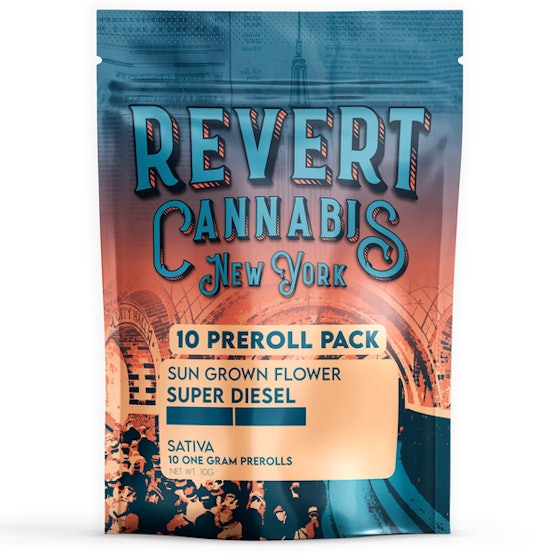
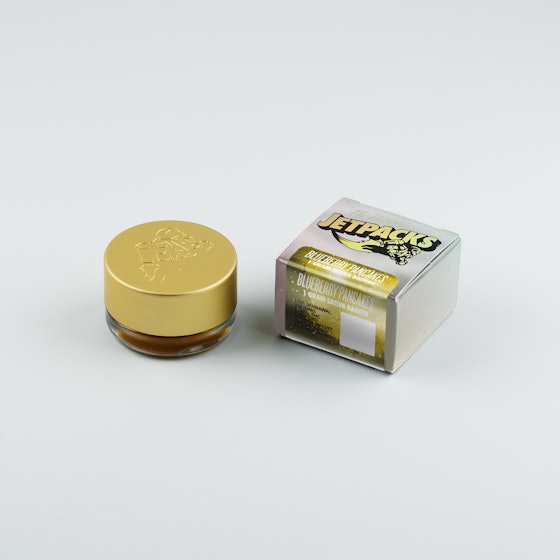
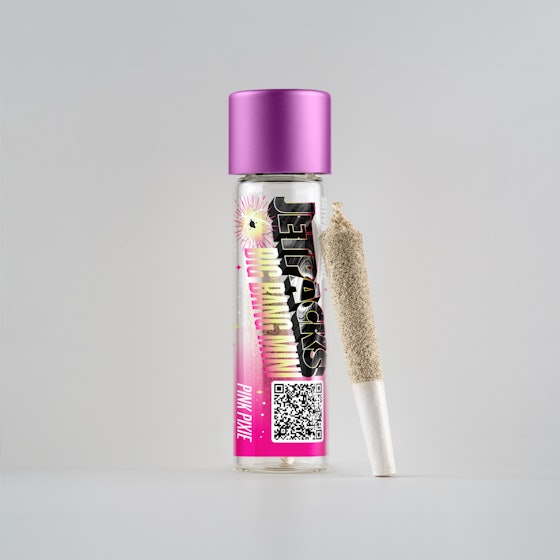
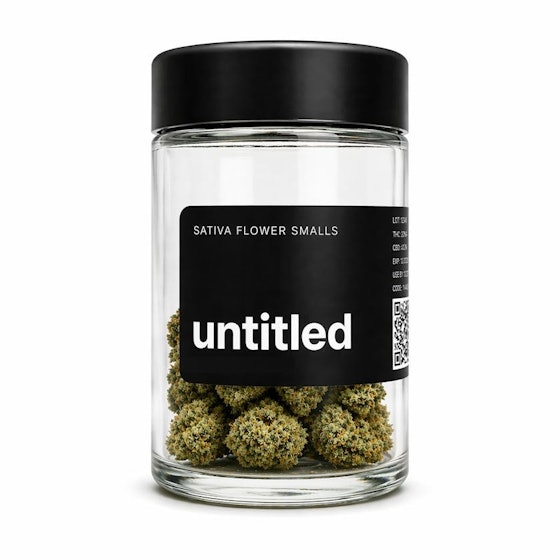
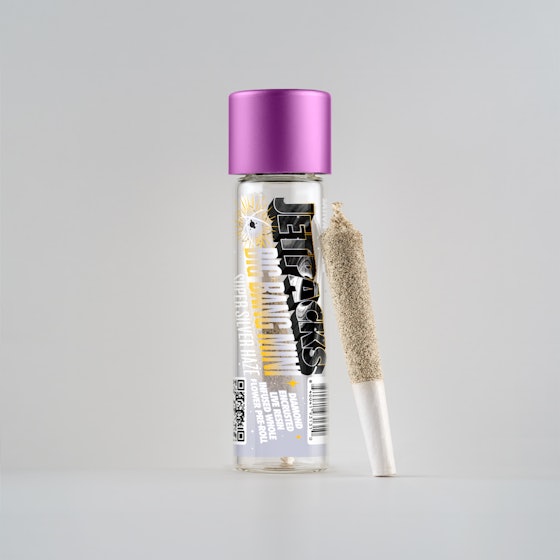
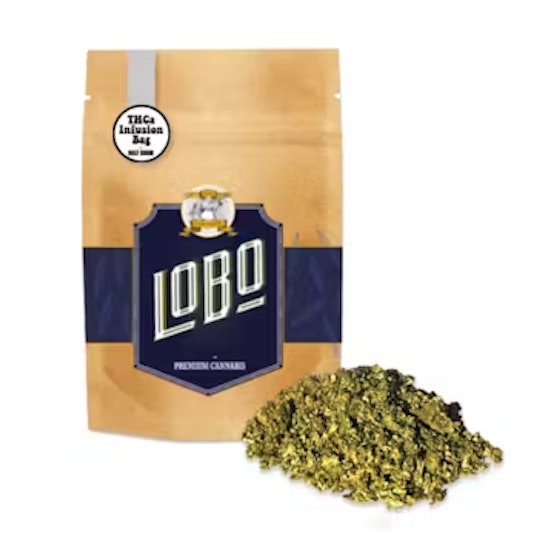
Cannabis contains more than a hundred active compounds called cannabinoids, and they are the reason the plant does what it does. Most people know THC and maybe CBD, but the full picture is richer than that. Having cannabinoids explained in plain terms makes it much easier to read a label, compare products, and understand why two items with the same THC number can still feel different. This guide covers the major cannabinoids, several minor ones, and how to make sense of the numbers on the package.
THC: The Most Famous Cannabinoid
THC, short for tetrahydrocannabinol, is the compound most associated with cannabis and the one responsible for the intoxicating feeling people describe as being high. When you see a large percentage on a flower jar or a milligram figure on an edible, that number usually refers to THC content. It is the headline ingredient in most adult use products for a reason.
Potency matters, but it is not the whole story. A very high THC percentage does not automatically mean a better experience, especially for newer consumers. The way THC interacts with the other compounds in the plant, along with the format you choose, shapes how strong and how long the effect feels. Beginners often do best starting low and going slow rather than chasing the biggest number on the shelf.
CBD: The Non Intoxicating Counterpart
CBD, or cannabidiol, is the second most well known cannabinoid and it behaves very differently from THC. On its own CBD does not produce a high. Many people seek it out precisely because it is non intoxicating, and it often appears in products alongside THC in various ratios. A product labeled as a one to one ratio contains roughly equal parts CBD and THC.
Because CBD does not intoxicate, it is frequently paired with THC to create a more balanced feel. Shoppers who find high THC products too intense sometimes prefer a higher CBD ratio for a gentler experience. You will see CBD forward options across many formats, including edibles and tinctures. We avoid making health claims, so think of CBD simply as a non intoxicating cannabinoid that changes the overall character of a product.
The Minor Cannabinoids: CBN and CBG
Beyond THC and CBD sit the minor cannabinoids, present in smaller amounts but increasingly featured on labels. CBN, or cannabinol, forms as THC ages and oxidizes over time. It is often marketed in nighttime and evening products, and you will see it highlighted in some sleep oriented edibles and tinctures. CBG, or cannabigerol, is sometimes called the mother cannabinoid because other cannabinoids form from it as the plant matures.
These minor cannabinoids are usually present in low concentrations naturally, so brands sometimes add extra amounts to feature them. When you see CBN or CBG called out on packaging, the manufacturer is signaling a specific profile they built the product around. As with everything on our menu, these are descriptive labels about content, not promises about outcomes.
Other minor cannabinoids you may encounter include THCV and CBC, which appear on some specialized labels. The main thing to understand is that the cannabis plant produces a whole family of related compounds, and the ones a product highlights tell you about the intention behind its formulation. You do not need to memorize every acronym. Recognizing that THC and CBD are the headliners while CBN, CBG, and others are supporting players is enough to read most labels with a clear head and pick products that match what you are looking for.
The Entourage Effect and Terpenes
Cannabinoids do not act in isolation. The entourage effect is the idea that cannabinoids, terpenes, and other plant compounds work together to shape the overall experience, producing a result that differs from any single isolated compound. This is why full spectrum products, which retain a broader range of the plant's natural chemistry, can feel different from products built around one purified cannabinoid.
Terpenes, the aromatic compounds covered in our sativa vs indica guide, are a big part of this teamwork. When you read a label that lists multiple cannabinoids and a terpene profile, you are looking at the ingredients of that entourage. Paying attention to the full profile, rather than just the THC number, gives you a much better sense of how a product will actually feel.
How to Read Potency on a Label
Flower and concentrates typically show cannabinoid content as a percentage of total weight, so a flower at 22 percent THC contains that share by weight. Edibles and beverages list content in milligrams per serving and per package, which is why dosing an edible is more precise than eyeballing flower. In New York, a standard single serving of an edible is capped at a set milligram amount, making it easier to start with a known dose.
A helpful frame is that percentages describe concentration while milligrams describe an actual dose. A flower at 22 percent tells you how rich the material is, but how much you consume still depends on how much you use. An edible at 5 milligrams per piece tells you exactly what you are taking in one serving. This is why many newcomers find edibles easier to dose precisely, and why experienced flower users learn to gauge by feel over time.
When comparing products, match the metric to the format. Do not try to compare a flower percentage directly against an edible milligram figure, since they measure different things. If you prefer fast onset and fine control, vapes and flower let you feel effects quickly and adjust. If you prefer a longer, gradual experience, edibles deliver a measured dose that builds over time. To see current cannabinoid content, terpene profiles, and lab results on specific items, browse our live menu. You must be 21 or older to purchase.
The bottom line is that cannabinoids are the active ingredients of cannabis, and learning the major and minor players lets you read a label like a pro. THC drives intoxication, CBD balances it without a high, and minor cannabinoids like CBN and CBG add nuance. Combine that knowledge with terpene awareness and you can shop with real confidence.
Frequently Asked Questions
THC is the intoxicating cannabinoid responsible for the high, while CBD is non intoxicating and does not produce that effect on its own. They are often combined in different ratios, such as one to one, to create a more balanced product. Many people who find high THC items too strong prefer a higher CBD ratio for a gentler overall character.
CBN and CBG are minor cannabinoids present in small natural amounts. CBN forms as THC ages and is often featured in evening and nighttime products, while CBG is a precursor from which other cannabinoids form. When a label highlights them, the maker built the product around that specific profile and sometimes added extra amounts to feature it.
The entourage effect is the concept that cannabinoids, terpenes, and other plant compounds work together to shape the experience, creating a result different from any single isolated compound. It is why full spectrum products that keep the plant's broader chemistry can feel distinct from products built around one purified cannabinoid. Reading the full profile helps predict the feel.
Match the metric to the format. Flower and concentrates list cannabinoid content as a percentage of total weight, while edibles and beverages list milligrams per serving and per package. Do not compare a flower percentage directly against an edible milligram figure, because they measure different things. Edibles offer more precise dosing since the amount per serving is stated.
No. A high THC percentage can be intense, especially for newer consumers, and it does not guarantee a better experience. The interplay of THC with other cannabinoids and terpenes, plus the format you choose, shapes how the product feels. Many people get a more enjoyable result from a balanced profile than from chasing the highest number.
Explore More
Shop Starlife in White Plains
Order online for pickup in about 15 minutes, or get same-day delivery across Westchester. Open until 11PM Friday through Sunday.